







Cuba Denounces the Impact of the Blockade on the Right to Food before the UN
Vice Foreign Minister Anayansi Rodríguez Camejo reported to the UN Human Rights Council that the blockade has caused more than $441 million in damage to the agri-food sector between March 2023 and February 2024.

Cuba incentiva los proyectos de cooperación internacional para el desarrollo agrícola y la industria alimentaria. En la foto, los cultivos de arroz en Los Palacios, provincia de Pinar del Río, de conjunto con Vietnam. Foto: Periódico Granma.
September 12, 2025 Hour: 10:39 pm
🔗 Comparte este artículo
Cuban Deputy Minister of Foreign Affairs, Anayansi Rodríguez Camejo, denounced before the United Nations (UN) Human Rights Council (HRC) the impact of the blockade imposed by the United States on the Cuban people’s right to food and food security.
RELATED:
Cuba begins national consultation to update the Labor Code
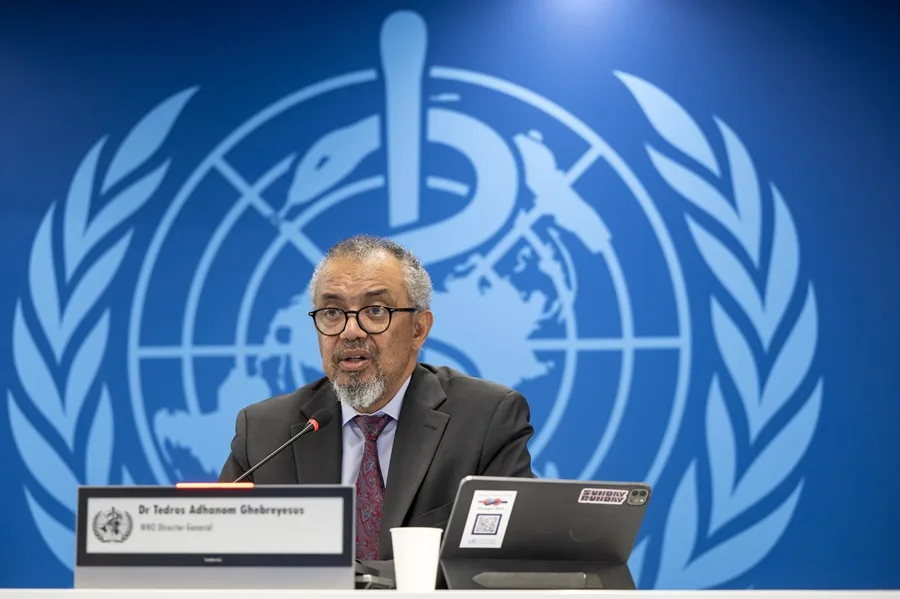
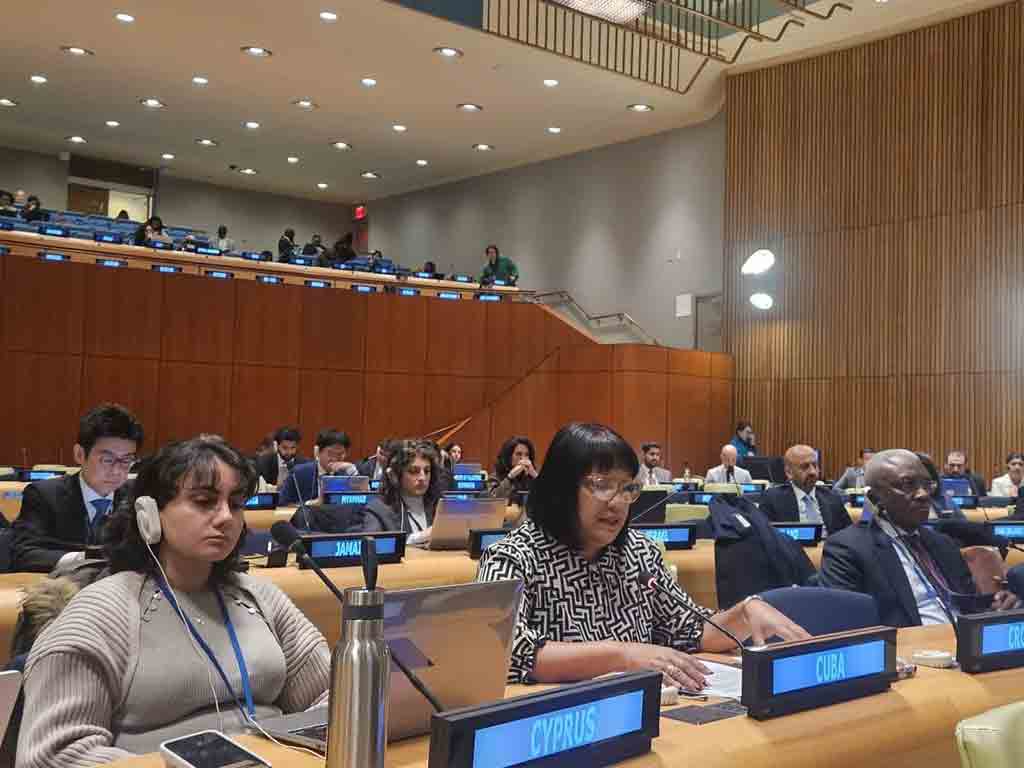
Rodríguez Camejo spoke virtually at the biennial roundtable on Unilateral Coercive Measures, as part of the 60th session of the HRC. The meeting discussed the impact of this type of sanctioning action on the right to food and food security.
Participating were the United Nations High Commissioner for Human Rights, Volker Türk; the Special Rapporteur on Unilateral Coercive Measures, Alena Douhan; the Special Rapporteur on the Right to Food, Michael Fakhri; the Independent Expert on External Debt, Attiya Waris; and representatives of governments and civil society.
The Vice Foreign Minister noted that US policy toward Cuba caused more than $441 million in damage to the Cuban agri-food sector between March 2023 and February 2024. “This figure not only represents an economic loss, but also reflects the human impact of a policy that threatens the food security of our population,” she stated.
Extraterritorial pressure measures prevent the acquisition of fertilizers, agricultural machinery, fuels, chemicals, and essential technologies for food production. The blockade hampers access to financing for agricultural development programs, rural infrastructure modernization, and climate change adaptation.
“For more than six decades, the Cuban people have faced the consequences of a strict economic, commercial, and financial blockade imposed by the United States government, which has been intensified in recent years with new pressure measures, extraterritorial actions, and financial restrictions,” the Vice Foreign Minister stated.
The Cuban deputy foreign minister denounced the blockade as the main obstacle to the country’s development and a massive, flagrant, and systematic violation of the human rights of the Cuban people.
This policy constitutes a massive, flagrant, and systematic violation of the human rights of the Cuban people and affects national food security by limiting access to inputs, technologies, financing, and international cooperation. The blockade interrupts the arrival of supplies already paid for, impacting the availability of basic products such as rice, beans, powdered milk, cooking oil, meat, bread, and coffee.
The intimidating effects of the anti-Cuban policy reached the Food and Agriculture Organization of the United Nations (FAO) in 2024 when it attempted to purchase tractors for small Cuban producers worth $1.5 million, but the manufacturer refused due to US coercion.
The embargo restricts Cuba’s access to multilateral financing for agricultural development, rural infrastructure modernization, and climate resilience. This limitation affects the Cuban state’s ability to guarantee an adequate standard of living in the context of global crises, economic volatility, and environmental challenges. To address these effects, the country relies on international collaboration for the development of agricultural and food industry projects.
Unilateral coercive measures, such as those imposed by the White House against Cuba, violate international law, the principle of non-interference, and the purposes of the United Nations Charter.
In January 2024, Special Rapporteur Alena Douhan described the embargo as a serious violation of the human rights of the Cuban people, including the right to life, in a communication sent to the United States government.
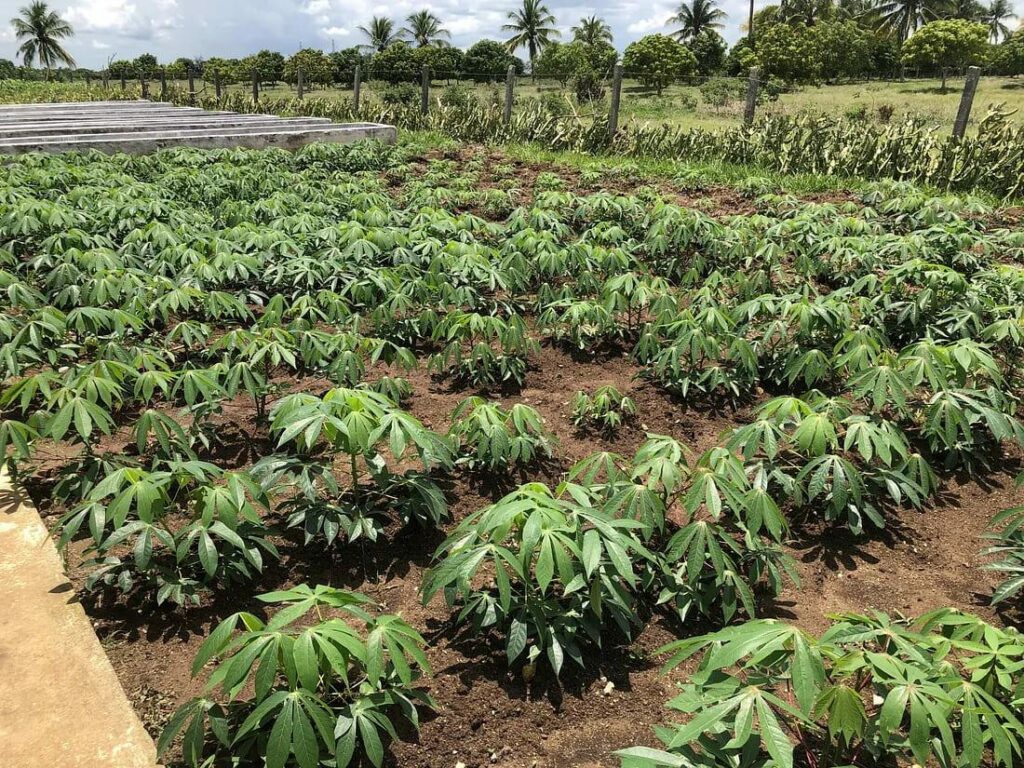
Despite the adversities, the Cuban government is implementing efforts to guarantee equitable access to food and protect vulnerable sectors. The Food Sovereignty and Food and Nutrition Security (SAN) Law, approved in 2022, is aligned with the Sustainable Development Goals. The National Economic and Social Development Plan through 2030 promotes local production.
The urban, suburban, and family agriculture program was revitalized for municipal self-sufficiency. In collaboration with the World Food Program (WFP), Cuba is strengthening maternal and child nutrition, school meals, and care for the elderly. The WFP supports the Municipal Self-Sufficiency Program, the Plan for the Prevention and Control of Anemia, and the “Vida” Task, which addresses the impacts of climate change on food security.
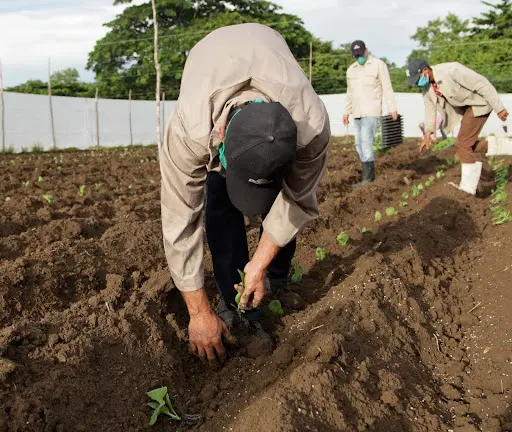
In this context, Cuba reiterated its call for an immediate and unconditional end to the blockade. “This lawsuit is not just a matter of justice for the Cuban people: it is an ethical, legal, and humanitarian demand that challenges the credibility of the international human rights protection system,” said Rodríguez Camejo.
She added that the Human Rights Commission should promote events like this panel to highlight the impact of unilateral coercive measures on human rights. “Cuba will continue to defend its right to live without a blockade, to produce its own food, and to build a fair, sustainable, and supportive development model,” the diplomat concluded.
Author: HGV
Source: Telesur/Agencias